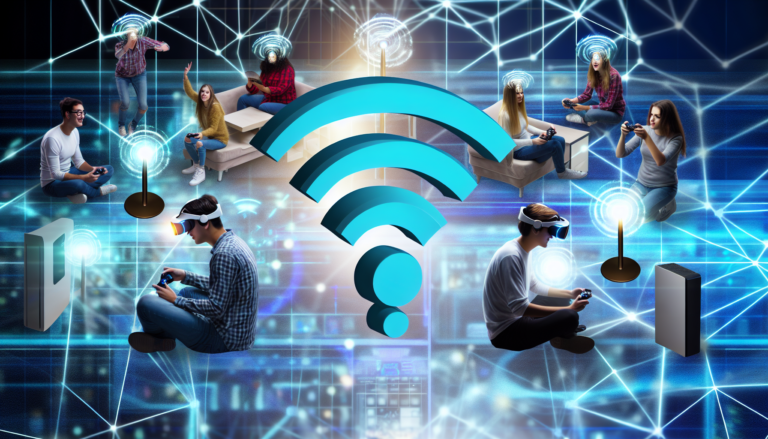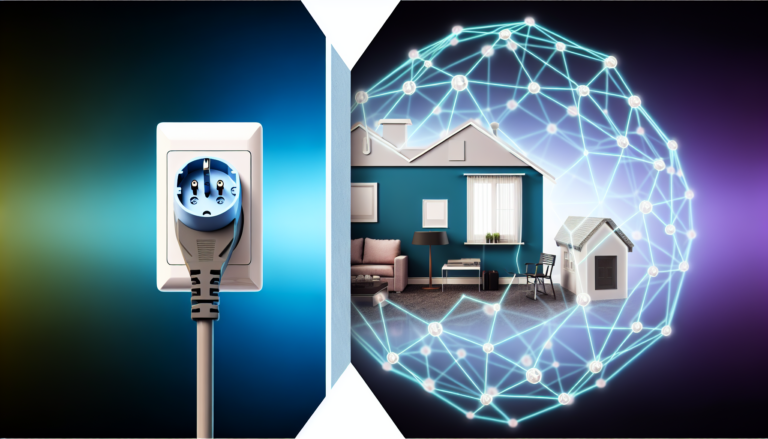

In 2026, 5G is no longer a new label on a phone plan. It has become a working layer in modern systems. Many users still notice it as speed, but that view is too narrow. The more important change is how 5G supports new tasks that need steady links, low delay, and better control of traffic. As a result, 5G now shapes how cities, firms, and public services design digital tools.
At the same time, the story of 5G in 2026 is not a simple success plot. Rollouts vary by region. Indoor coverage can still be uneven. Many gains depend on new radio bands, fiber backhaul, and updated core networks. Yet the trend is clear: 5G is moving from “faster internet” to “programmable connectivity” that can be tuned to fit real needs.
From Speed to Service Quality
Early 5G talk focused on peak download rates. In practice, the key metric for many uses is service quality. This includes latency, reliability, and consistent uplink, not just headline speed. In 2026, operators and enterprises pay more attention to how stable a connection is during busy hours and how well it performs at the network edge.
A related shift is the growth of “use-based” network design. Some traffic is delay sensitive, like remote control of machines. Other traffic is heavy, like video uploads from events. 5G tools can manage these cases with smarter scheduling and better spectrum use. The result is not only faster links, but links that behave in a more predictable way.
Network Slicing and Private 5G
One of the most important ideas in 2026 is network slicing. A slice is a logical network built on shared physical gear. It can be tuned for a certain class of tasks. For example, a hospital can use a slice that favors reliability for critical devices, while a stadium uses a slice that handles bursts of video and fan traffic. This approach helps reduce conflict between very different demands on the same network.
Private 5G has also moved from trials to wider adoption. A private network is often run on a factory site, a port, a mine, or a campus. It gives local control, strong security options, and clear performance targets. In 2026, private 5G is used when Wi‑Fi is not enough, such as in large outdoor areas, high mobility zones, or locations with strict safety rules.
Edge Computing and Real-Time Systems
Many value cases for 5G depend on edge computing. The “edge” means compute resources placed close to users and devices. This reduces the distance data must travel. In turn, it can cut delay and smooth performance. In 2026, edge sites support tasks like video analytics, industrial vision, and local data filtering before cloud storage.
Real-time systems benefit the most. In logistics hubs, cameras and sensors can detect hazards and guide traffic flow. In manufacturing, machines can share state data so lines can adapt in near real time. In health care, some monitoring tools can send alerts with less delay and more stable links. These uses work best when 5G and the edge are planned together, not treated as separate upgrades.
Industry and Public Sector Applications
In 2026, 5G supports a wider set of industry uses that rely on mobile sensors and secure device identity. In energy, it can link field crews and smart equipment in remote areas. In transport, it can support fleet tracking with richer telemetry, such as video and engine data. In agriculture, it can connect machines that move across large fields, where fixed networks are hard to build.
Public sector use is also expanding. Smart city programs often combine 5G with cameras, traffic sensors, and environmental monitors. The aim is not only data collection, but faster response. A city may prioritize emergency services traffic, or manage congestion with adaptive signaling. Still, these projects raise governance questions, such as who owns data, how long it is kept, and how bias is avoided in automated decisions.
Security, Energy, and Policy Challenges
The shift to software-based networks changes the risk picture. As 5G cores become more cloud-like, strong identity controls, segmentation, and audit logs become central. Supply chain trust also matters, since hardware and software come from many sources. In 2026, many organizations treat 5G security as part of broader cyber risk management, not as a narrow telecom issue.
Energy use is another concern. More sites and more data can raise power demand. Yet newer radios can be more efficient, and networks can save power with sleep modes and smarter scheduling. Policy decisions also shape outcomes. Spectrum rules, permitting for small cells, and privacy standards can speed up or slow down deployment. The benefits of 5G depend on these practical choices as much as on the radio technology itself.
What “Beyond Faster” Means in 2026
By 2026, the main value of 5G is its role as a flexible platform. It can support many kinds of traffic, from simple messaging to machine control. It also supports new ways to operate networks, with automation and fine-grained performance targets. For consumers, this may appear as smoother video calls and better service in crowded areas. For firms and governments, it can mean safer sites, faster decisions, and more resilient operations.
The next stage is not only about more coverage, though that remains vital. It is about joining connectivity with computing, security, and clear rules for data use. When these pieces align, 5G becomes more than a faster pipe. It becomes an enabling layer for systems that must work in real time, at scale, and with high trust.
Disclaimer: This page contains links that are part of different affiliate programs. If you click and purchase anything through those links, I may earn a small commission at no extra cost to you. Click here for more information.