
The State of Ray Tracing: Is the Performance Hit Worth It?
The world of computer graphics is changing fast. For many years, games used a trick called rasterization. This method was fast and worked well. It allowed games to run at high speeds on basic hardware. However, it did not always look real. It struggled with complex light and shadows. Today, a new method called ray tracing is the new standard. This technology tries to mimic how light works in the real world. It tracks the path of light rays as they bounce off surfaces. This creates a much more life-like image for the viewer. But this beauty comes with a high price. The process requires a massive amount of power. Many people wonder if the visual gain is worth the loss in speed. This article looks at the current state of ray tracing. We will explore its benefits and its costs to see if it is truly the future of play.
To understand the debate, we must look at how light works in a digital space. In the past, artists had to fake light. They would paint shadows onto textures. They would use simple maps to show reflections. This worked well for a long time. But it was not dynamic. If an object moved, the light did not always look right. Ray tracing fixes this issue. It calculates light in real time. It accounts for how light reflects, refracts, and creates shadows. This results in scenes that look much more natural. You can see clear reflections in a puddle of water. You can see soft shadows that change as the sun moves. These details help players feel like they are inside the game. The sense of presence is much stronger with these effects turned on.
The Technical Mechanics of Ray Tracing
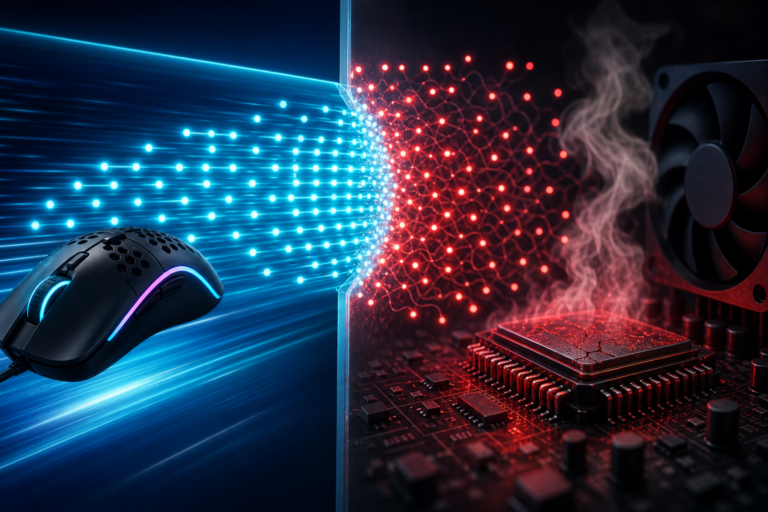
Ray tracing is not a new idea. It has been used in movies for decades. When you watch a big film, the special effects use this method. However, those frames take hours to render on huge servers. The challenge was bringing this to home computers in real time. Real-time ray tracing needs to render at least sixty frames every second. This is a huge task for any piece of hardware. In 2018, new graphics cards arrived with special cores. These cores are built just to handle the math of light rays. They help the computer calculate where light hits and where it goes next. Even with this help, the task remains very hard. The computer must track millions of rays for every single frame. This is why the hardware gets so hot and the power draw is so high.
The Role of Reflections and Shadows
One of the best parts of ray tracing is how it handles reflections. In older games, reflections only showed what was already on the screen. This is called screen space reflections. If you looked away from a building, its reflection in a window would vanish. Ray tracing does not have this limit. It tracks objects that are behind the player or off to the side. This makes the world feel solid and whole. Shadows also get a big boost. Traditional shadows often have hard, jagged edges. They look like dark stickers on the ground. Ray-traced shadows are different. They get softer as they get further from the object. This is how shadows work in real life. It adds a layer of depth that was missing for a long time. These small changes make a big impact on the overall look of a game.
Global Illumination and Ambient Occlusion
Beyond shadows and reflections, there is global illumination. This is how light bounces off one surface and onto another. If a bright red light hits a white wall, the wall should have a red tint. Ray tracing makes this happen naturally. It creates a warm and realistic glow in every room. Ambient occlusion also benefits. This is the dark soot that appears in corners and cracks. Ray tracing makes these dark spots look accurate. Without it, scenes can look flat or floaty. With it, objects feel like they have weight. They sit naturally in their environment. This level of detail is hard to go back from once you have seen it. It changes the mood of the game. It makes horror games scarier and bright worlds more inviting.
The Performance Penalty
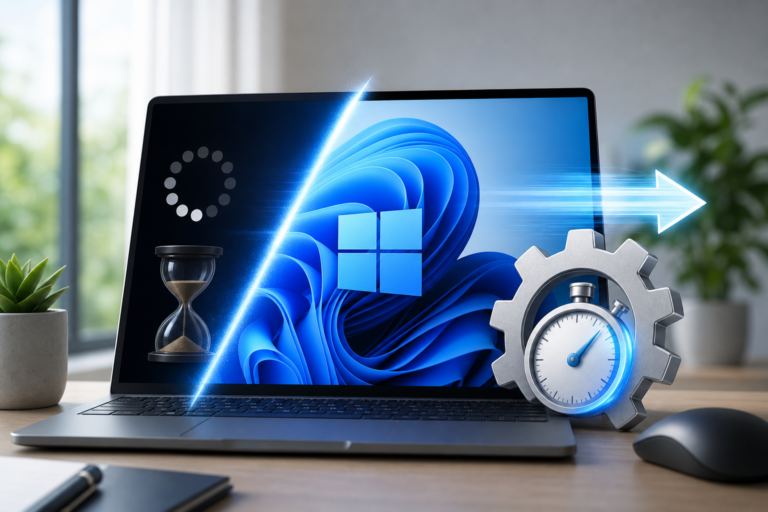
The biggest issue with ray tracing is the drop in frame rate. When a player turns these settings on, the speed of the game often falls by half. A game that runs at 100 frames per second might drop to 40 or 50. For many players, this is a deal breaker. High frame rates make games feel smooth and responsive. This is vital in fast games like shooters or racing titles. A slow frame rate can make it hard to aim or react. This creates a tough choice for the user. Do they want the game to look beautiful or do they want it to play well? For a long time, the answer was to keep ray tracing off. The cost was simply too high for the average person. Only those with the most expensive computers could enjoy it without a struggle.
The performance hit also affects the resolution. To keep the speed up, players often have to lower the quality of the image. This means the game might look blurry on a large screen. It seems odd to add better light but lose sharpness. This trade-off has been the main point of debate for years. Many critics argue that the tech is not ready for the mass market yet. They feel that hardware needs to get much stronger before ray tracing is standard. Others say that we must start somewhere. They believe that using the tech now helps developers learn for the future. Still, the average gamer cares most about how the game feels in their hands. If it feels laggy, the pretty lights do not matter much.
The Solution of Artificial Intelligence
To solve the performance gap, companies turned to artificial intelligence. They created tools like DLSS and FSR. These tools use AI to upscale the image. The game renders at a lower resolution, which is fast. Then, the AI fills in the missing pixels to make it look sharp again. This is a game changer for ray tracing. It allows the game to run at high speeds while keeping the ray-traced effects. In some cases, the AI can even create brand new frames. This is called frame generation. It makes a 40-frame game look like an 80-frame game. This has made ray tracing much more common. Most modern games now launch with these AI features included. They are seen as a vital partner to ray tracing. Without AI, ray tracing might have failed in the home market.
There are some downsides to using AI upscaling. Sometimes, the image can have artifacts. You might see a slight ghosting effect behind moving objects. Small details like thin wires or grass might flicker. However, the tech is getting better every year. Most players find the trade-off to be very small. The gain in speed is worth the tiny loss in image purity. It has allowed middle-range computers to use effects that were once only for the elite. This has helped the tech grow in popularity. Now, even consoles like the PlayStation 5 and Xbox Series X use ray tracing. They rely on these smart tricks to keep games looking great and running fast. It is a clever fix for a very hard math problem.
Is the Trade-Off Worth It?
The final question is whether the hit to performance is worth it. The answer depends on what kind of gamer you are. If you play slow, cinematic games, ray tracing is amazing. Games like Cyberpunk 2077 or Alan Wake 2 look like movies with it turned on. The immersion is worth every lost frame. Walking through a city with neon lights reflecting in the rain is a special experience. In these cases, the tech is a clear win. It pushes the medium forward. It shows what is possible when art and math come together. For these players, the performance hit is a small price to pay for such beauty. They are happy to play at lower speeds to see the world as it was meant to be seen.
On the other hand, competitive players should probably avoid it. If you play games like Valorant or Counter-Strike, speed is everything. Every millisecond counts in a fight. Ray tracing adds delay and lowers your frame rate. It does not give you an edge in winning. In fact, it might make you play worse. For these users, the tech is a luxury they cannot afford. They prefer simple graphics and high refresh rates. This split in the community is likely to stay for a while. Not every game needs to look like a movie. Some games just need to be fast. As the tech grows, the gap will get smaller. But for now, players must choose their path based on their own needs and hardware.
The Future of Rendering
We are moving toward a future where ray tracing is the only way we render. This is called path tracing. Path tracing is like ray tracing but even more complex. It tracks every single light source and bounce in a scene. It creates the most realistic images possible. Currently, only a few games can do this. It requires the most powerful hardware on the planet. But as chips get smaller and faster, this will change. One day, all games will use these methods by default. We will look back at old games and wonder how we ever liked the fake light. The jump from rasterization to ray tracing is like the jump from 2D to 3D. It is a fundamental shift in how we build digital worlds.
In conclusion, the performance hit of ray tracing is high, but the reward is great. It offers a level of visual truth that we have never seen before. Thanks to AI, the cost is becoming easier to handle. It is no longer just for the rich or the experts. It is becoming part of the standard gaming experience. While some may still prefer pure speed, the industry is moving toward beauty. The state of ray tracing is strong. It is the bridge to the next level of digital art. As long as hardware keeps improving, the trade-off will become a thing of the past. For now, it is a tool that allows us to see the light in a whole new way.
Disclaimer: This page contains links that are part of different affiliate programs. If you click and purchase anything through those links, I may earn a small commission at no extra cost to you. Click here for more information.