
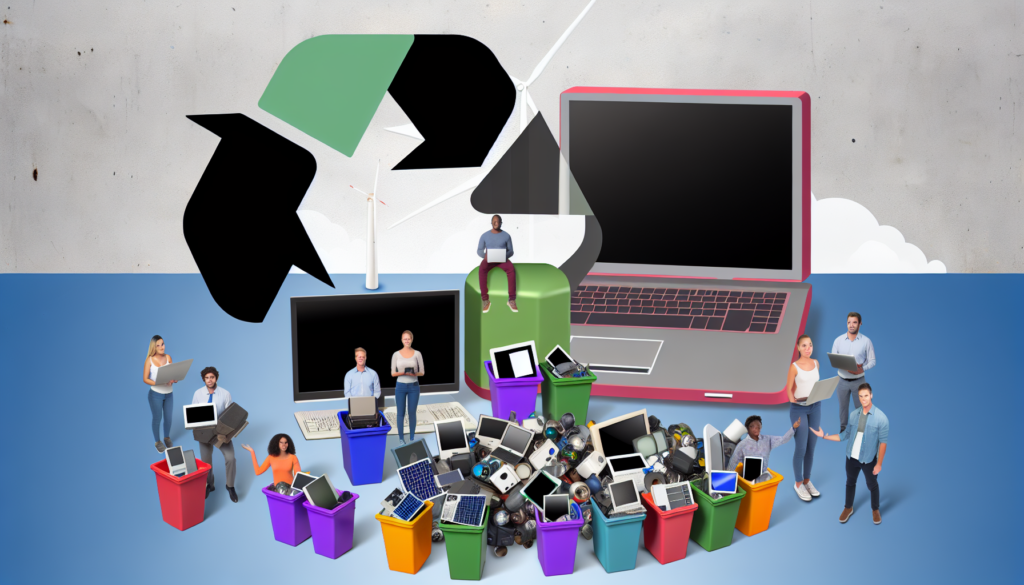
Electronic waste, or e-waste, is one of the fastest growing waste streams in the world. It includes phones, laptops, tablets, TVs, chargers, and many other devices. These products bring major social and economic value, yet they also create long term harm when they are dumped or burned. Tech sustainability focuses on reducing this harm across a device’s full life cycle. E-waste management is a key part of that effort because it links design, use, repair, reuse, and end of life recovery.
Good e-waste management protects health, reduces pollution, and saves valuable materials. It also supports a more circular economy, where products and parts stay in use for longer. This article explains why e-waste matters, what makes it hard to manage, and what actions can improve outcomes.
Why E-Waste Is a Sustainability Issue
E-waste is not just “trash with wires.” Many devices contain metals such as copper, aluminum, and gold. They also contain plastics, glass, and rare materials used in screens and batteries. When a device is lost to landfill or informal disposal, these resources are lost as well. Mining and refining new materials then adds more emissions and land damage.
E-waste can also contain hazardous substances. Older equipment may have lead, mercury, or certain flame retardants. Damaged batteries can leak or start fires. When devices are burned in open air, toxic fumes can harm workers and nearby communities. In short, poor disposal turns a product designed for progress into a source of risk.
Common Causes of E-Waste Growth
Several forces drive the rise of e-waste. First, product cycles are often short. Many people replace phones every few years, even when the device still works. Second, some products are hard to repair due to sealed parts, special tools, or limited access to spare components. Third, software updates can make older hardware feel slow or unsupported, which can push users toward replacement.
Market trends also matter. Lower prices can increase buying, while new features can make older models seem less useful. Work and school needs can add more devices per person, such as a phone plus a laptop plus a tablet. Together, these factors create a steady flow of equipment reaching end of life.
Key Stages of E-Waste Management
Effective e-waste management needs clear steps and good controls. It starts with collection. Devices must be easy to return through drop off sites, retail take back, or mail back programs. When collection is weak, many products end up stored in homes or placed in general waste.
Next comes sorting and testing. Some items can be reused with little work, while others need repair or parts recovery. Refurbishment can extend device life and reduce demand for new production. When reuse is not possible, recycling becomes the main goal. This stage should focus on safe handling and high recovery rates for metals and other materials.
Final treatment includes responsible disposal of residues that cannot be recovered. This is also where data security must be managed. Storage devices often hold personal or business data, so certified wiping or physical destruction is essential. Without trust in data protection, many users will avoid returning devices.
Challenges: Informal Recycling and Complex Design
One major challenge is informal recycling. In some regions, workers dismantle devices by hand with few safety measures. They may use acid baths to extract metals or burn cables to recover copper. These methods can release toxins into air, water, and soil. They also tend to recover only a small share of materials, which lowers overall efficiency.
Product design is another barrier. Modern devices are compact and multi material. Parts may be glued, soldered, or fused, which makes disassembly slow. Mixed plastics can be hard to separate. Batteries may be embedded, raising safety risks. Design choices that favor thinness and low cost can raise end of life costs and reduce recycling yield.
Strategies for Better Outcomes
First, design for longevity and repair should be a core goal. Devices that allow battery replacement, use standard screws, and provide spare parts can stay in use longer. Longer support for software and security updates also helps, because it keeps older devices safe and functional. Clear labeling of materials and components can improve recycling quality.
Second, extended producer responsibility programs can shift incentives. When manufacturers fund or manage take back and recycling, they have a reason to reduce waste and improve design. Well run systems set targets for collection and recovery and require safe treatment. They also help build formal recycling capacity and reduce reliance on informal practices.
Third, consumers and organizations can favor reuse. Buying refurbished devices, donating working electronics, and using device leasing can lower demand for new production. Within companies, asset tracking and planned upgrades can cut waste. Clear rules for secure data wiping can increase return rates for used devices.
Conclusion
Tech sustainability requires more than energy efficient devices and green marketing. It requires a system that minimizes harm from the moment a device is designed to the moment it is retired. E-waste management is central to that system because it protects health, conserves materials, and supports a circular economy.
Progress depends on shared action. Designers can make products easier to repair and recycle. Producers can fund strong take back programs and support safe treatment. Users can extend device life and return electronics through trusted channels. With these steps, the tech sector can reduce e-waste and move toward a cleaner and more resilient future.
Disclaimer: This page contains links that are part of different affiliate programs. If you click and purchase anything through those links, I may earn a small commission at no extra cost to you. Click here for more information.
