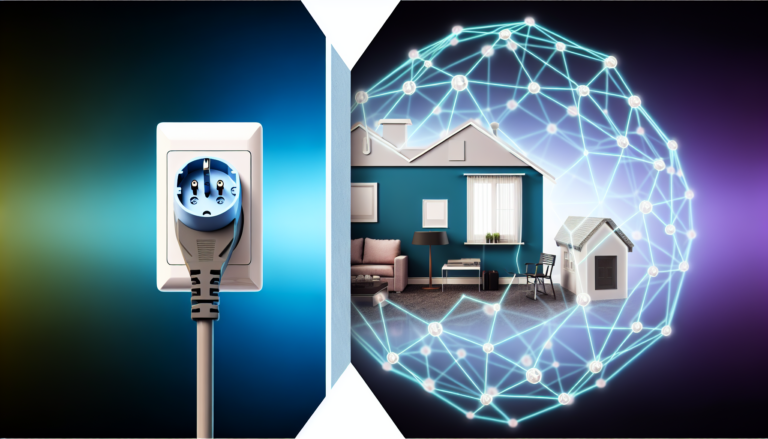

The smart home market has grown fast, but it has also stayed fragmented. Many devices still depend on brand-specific apps, hubs, and clouds. This can make setup hard, limit user choice, and raise support costs. Matter is a new connectivity standard that aims to fix these issues. It offers a shared language for smart home devices, across many brands. As adoption rises, Matter may shape a more open and stable smart home.
Matter is developed by the Connectivity Standards Alliance (CSA). It is supported by major firms in consumer tech and home products. The goal is simple: make devices easier to buy, set up, and use together. Matter does not replace Wi-Fi or Ethernet. Instead, it sits above them as an application layer. It defines how devices describe themselves and how they communicate in a secure way.
What Matter Is and Why It Matters
Matter is an interoperability protocol for the smart home. Interoperability means that products from different makers can work together with less friction. Matter defines device types, commands, status reports, and a shared data model. This helps a light switch, a thermostat, and a door lock “understand” each other with fewer custom steps. For users, it can reduce the need to commit to one brand.
From a market view, Matter shifts competition away from basic connectivity. If devices can connect in a standard way, brands must compete more on design, reliability, energy use, and services. This can benefit consumers, but it also challenges firms that relied on closed ecosystems. For installers and property managers, it can lower complexity across buildings with mixed device fleets.
How Matter Works in Practice
Matter uses Internet Protocol (IP) networking. This choice is central, because IP works well across modern home networks and is widely understood by developers. Matter devices can communicate over Wi-Fi or Ethernet, and many low-power devices can use Thread. Thread is a mesh network designed for small devices, with good range and resilience. A Thread border router links the Thread mesh to the home IP network.
Commissioning and Control
One of Matter’s most visible features is commissioning, the process of adding a device to a home. Matter supports a guided setup that often uses a QR code or numeric code. This can reduce the trial-and-error found in older smart home setups. After onboarding, devices can be controlled locally on the home network, which can improve response time and reduce dependence on remote cloud services.
Security by Design
Matter includes a security model meant to be strong by default. Devices use modern cryptography and secure identities. Attestation helps confirm that a device is genuine and runs approved software. In addition, local control can reduce exposure to internet outages and lower the risk tied to weak cloud accounts. These features do not remove all risk, but they set a baseline that is higher than many legacy products.
Benefits for Consumers and Industry
For consumers, the main benefit is simpler choice. A buyer can select products based on function and price, not only on logo. If a smart speaker, phone, or hub supports Matter, it can often manage many Matter devices in one home. This can cut app overload and improve day-to-day use. It may also support a smoother path when a household changes platforms in the future.
For manufacturers, Matter can reduce the cost of building and maintaining many separate integrations. A shared standard may shorten product cycles and improve quality through common test tools and certification. Retailers may also see fewer returns, since customers can better predict if a device will work in their home. Service firms, such as security monitoring or energy management providers, may gain a larger base of compatible devices.
Current Limits and Open Questions
Matter is promising, but it is not a complete solution. First, device support is still expanding. Some product categories and advanced features may lag behind. Second, “works with Matter” does not always mean identical user experience. Platforms can differ in how they expose features, or which optional functions they implement. Consumers may still need to check compatibility details, especially for complex devices.
Another concern is updates and long-term support. Matter improves the connection layer, but it cannot force vendors to provide years of firmware updates. Also, home networks vary in quality. A strong standard cannot fully offset weak Wi-Fi coverage or poor router settings. Finally, privacy remains a key issue. Local control helps, yet many products still use cloud services for extras such as remote access, voice processing, or analytics.
The Future Outlook
In the next few years, Matter is likely to expand in both breadth and depth. More device types should gain support, and versions of the specification should mature. At the same time, certification and testing practices may become more rigorous, which can raise baseline reliability. As more homes adopt Thread border routers through common hubs and routers, low-power devices may become more common and easier to place.
Over time, Matter may help push the smart home toward a more stable phase. The focus could shift from “will it connect” to “does it serve a clear need.” In that setting, smart home technology can better support goals such as energy efficiency, aging in place, and safer living. Matter will not remove every challenge, but it offers a practical path to a smart home that is simpler, more secure, and more open.
Disclaimer: This page contains links that are part of different affiliate programs. If you click and purchase anything through those links, I may earn a small commission at no extra cost to you. Click here for more information.