
Valve’s experimental MOBA-shooter hybrid, Deadlock, has just received its biggest update yet, and fans are already buzzing about the sheer scope of changes. Known for blending fast-paced hero combat with strategic team play, Deadlock is still in its invite-only stage, but this patch shows Valve’s commitment to evolving the game at a steady and ambitious pace.
The August update introduces six new heroes, a stylish new player hub called the Hideout, improved visuals, and a revamped interface that sets the tone for Deadlock’s future direction. For a game that only recently entered public awareness, this is a bold and aggressive step, one that shows Valve is ready to experiment with player-driven content, new systems of engagement, and an evolving presentation that matches the unique gothic tone of the world. This update is not just a balance patch—it’s a statement of intent that Deadlock is here to stay and grow into something special for MOBA and shooter fans alike.
Six New Heroes, Released One by One
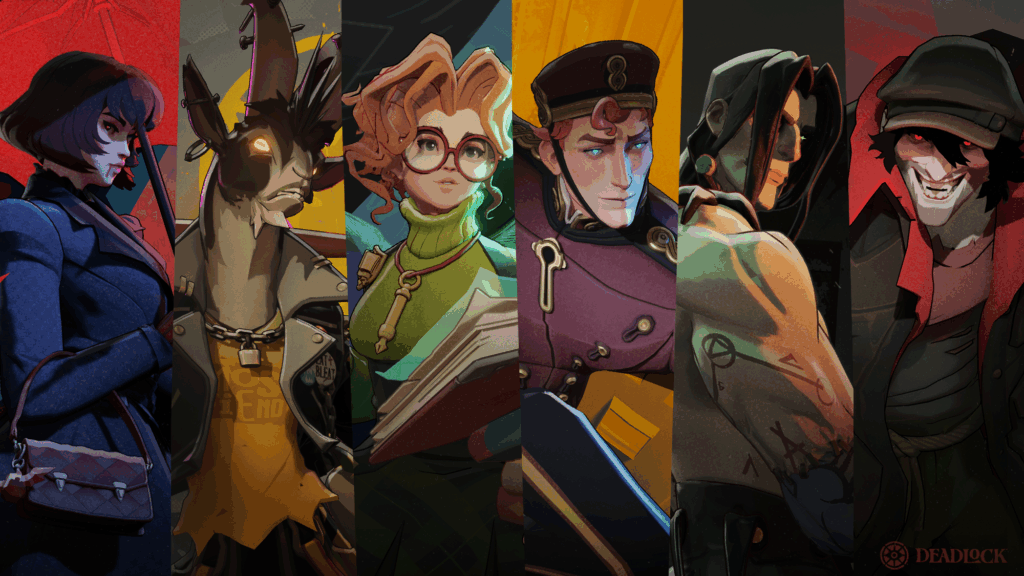
At the heart of the update lies the addition of six brand-new heroes. Instead of releasing them all at once, Valve is staggering their debut over a couple of weeks, revealing one every other day. To make things even more exciting, the community has been given the power to influence who comes next by voting in-game after each match.
The first new hero, Mina, has already been unleashed. A vampire-themed glass cannon, she can deal terrifying bursts of Spirit damage, turn into a bat for quick escapes, and summon swarms with her devastating ultimate, Nox Nostra. The other heroes set to join the roster include Billy the demonic goat, Paige the enigmatic bookworm, The Doorman, Victor the unstoppable juggernaut, and the agile Drifter.
By allowing players to vote and anticipate each reveal, Valve keeps the community engaged and invested in shaping the pace of content. It’s a refreshing twist compared to traditional hero releases in other MOBAs, where updates often arrive all at once without player input.
The Hideout: A Social Hub for Deadlock
Deadlock has also reimagined its social experience by replacing the old dashboard with a brand-new interactive space called the Hideout. This hub is more than just a menu—it’s a space where players can hang out between matches, invite friends, and engage with the game world in a more immersive way.
Within the Hideout, terminals allow players to queue up games, practice builds, or spectate ongoing matches. A practice range is also available for those who want to test new heroes or sharpen their aim before stepping into battle.
What makes the Hideout particularly exciting is its potential. Valve has already teased future customization options, events, and personalization features that could make this hub feel like a player’s personal base of operations. It’s a major step in turning Deadlock into more than just a game—it’s a social platform where community and competition naturally blend together. This change reflects Valve’s long-term vision of Deadlock as a living experience, rather than a static MOBA.
Visual Enhancements and UI Overhaul
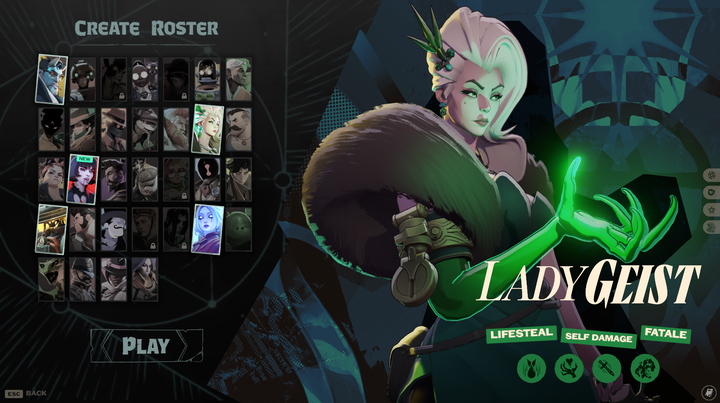
A major highlight of the update is the visual and aesthetic overhaul. Deadlock’s gothic cityscape has received a noticeable polish, with improved lighting, sharper map details, and atmospheric touches that heighten the mood of matches.
The most striking update, however, comes in the form of the redesigned character select screen. Moving away from a standard hero grid, the new interface feels more cinematic and stylish, giving each hero a stronger visual identity before players even step into battle.
The improvements extend beyond cosmetics—they represent Valve’s attention to presentation and player experience. A polished UI can go a long way in drawing players deeper into the world and making each session feel memorable. The update proves that Valve isn’t just concerned about balance and mechanics, but also about the artistry and atmosphere that define Deadlock’s identity. For players, it’s another reason to stay invested in the game’s long-term growth.
Player Voting and Community Involvement
Another clever feature of this update is how Valve has placed content pacing into the hands of players. After every game, players are given a vote to cast in the Hideout’s voting booth, helping determine which hero will be released next.
This creates a sense of ownership and interaction that goes beyond the standard patch cycle. It also encourages more play, as each match provides another opportunity to influence the game’s immediate future. Instead of feeling like passive recipients of content, players are now active participants in Deadlock’s direction.
This level of community involvement reflects Valve’s history of experimenting with player-driven systems, from Dota 2’s Compendium to CS:GO’s community-made skins. By blending structured hero releases with democratic voting, Deadlock ensures that its updates feel like collaborative events rather than top-down decisions. It’s a smart way to keep hype high and keep the community engaged week after week.
Deadlock’s Road Ahead
This latest update demonstrates that Valve isn’t just patching Deadlock—they’re reshaping it for the long haul. The addition of staggered heroes, the Hideout hub, and improved visuals all work together to push the game closer to its full potential.
While Deadlock remains in limited access, these bold changes show confidence in its future as both a competitive title and a social space for players. Valve has built a foundation that blends community input, polished presentation, and unique gameplay into a single package.
For fans, it’s an exciting time to be part of the game’s early days, with the sense that they’re helping shape something innovative. If this is the scale of updates players can expect while Deadlock is still in invite-only status, then the future promises even more ambitious expansions.
Disclaimer: This page contains links that are part of different affiliate programs. If you click and purchase anything through those links, I may earn a small commission at no extra cost to you. Click here for more information.